DOLCE
dolce
by Charlie Cauchi
Uncovering the way Malta’s identity has been repeatedly constructed and distorted through the films made on the island, exposing the tension between lived reality and imposed narratives.
Dolce traces how Malta’s image is shaped, obscured and reconfigured across history, from ancient legacies and colonial rule to today’s accelerated media landscape. Working with the vast archive of films made on the island, productions that use Malta’s cinematic flexibility while sidelining its stories, the piece exposes the gap between lived reality and the narratives projected onto it.
Technical Specifications
Format: Single‑channel 4K video, colour, sound Aspect ratio: 2.39:1 Duration: 22 min 56 sec
Cast: Antonella Axisa, Mikhail Basmadjan, Zoe Camilleri, Samantha Cassar Ellis, Charlie Cauchi, Josette Ciappara, Paul Cilia, Joanna Delia, Romeo Roxman Gatt, Martina Georgina, Tiffany Pisani, Tina Rizzo, Gianni Selvaggi, Henry Zammit Cordina
Director of Photography: Julia Mingo Editor: Céline Perreard
ABOUT DOLCE
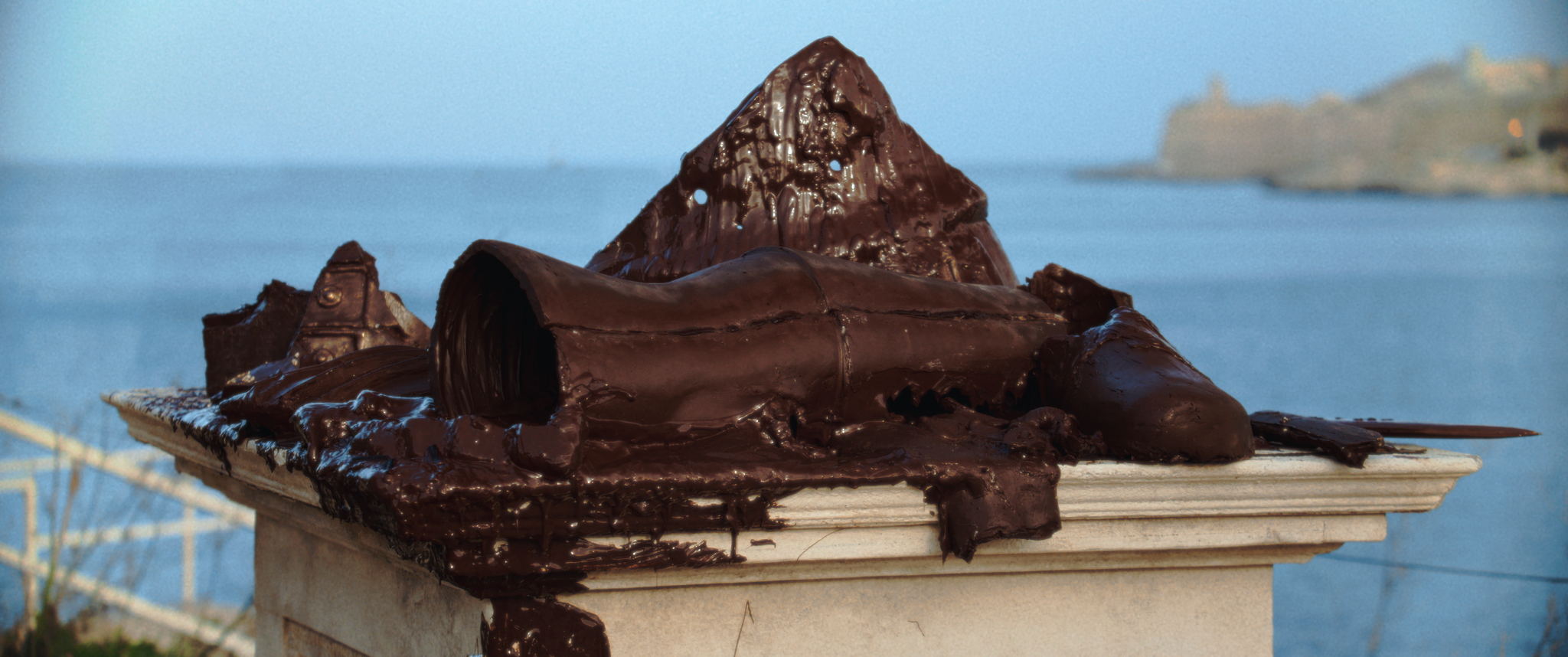
Dolce was commissioned by Arts Council Malta and Unfinished Art Space for the Malta Pavilion at the 61st Venice Biennale, curated by Margerita Pule as part of No Need to Sparkle: Experiments in Love and Revolution. The pavilion is conceived as a space that allows truth to reposition itself in the world and introduces uncertainty and ‘doubt’ not as a capitulation but as a path to understanding the world with openness and empathy.
Dolce explores the complex relationship between reality and mediation, approaching Malta and its people as a palimpsest in which histories accumulate rather than disappear. The work embraces the island’s ancient heritage and colonial past while remaining attentive to a present that is, at times, eclipsed or reconfigured by contemporary culture, accelerated development, and evolving media forms. It builds both on and against many films that have been made and are continually made in Malta, productions enabled by its history, geography, and cinematic pliability, yet often indifferent to local narratives.
From antiquity to colonial rule, from Christianity and popular culture to mass media and new technologies, Dolce reveals Malta as a layered site where memory, identity, and representation are continually rewritten. The artist draws upon an extensive archive of films and images in which Malta does not so much appear as itself as it is subsumed within the demands of international modes of production, serving as a cinematic “other,” a backdrop onto which external narratives are projected.
An important reference point is La Dolce Vita, particularly Rome’s transformation into “Hollywood on the Tiber” in the 1960s, where American studios produced financially successful films by constructing their own image of the city as a cinematic subject. Like Fellini, the artist works from an acute awareness of how place is mediated and mythologised through cinema.
In Dolce, Malta’s image, which is shaped, captured, and othered by others, becomes a site of resistance. Moments of defiance emerge when background actors within the cinematic apparatus break the fourth wall, looking directly at the audience and reclaiming the gaze. The artist places herself within the frame: her most explicit act of resistance and reframing is the simple gesture of opening her eyes, refusing to play dead.
This act of defiance is echoed in the film’s incorporation of a Russell Crowe statue, this time rendered in chocolate, a comic and surreal reworking of the statue of Christ in La Dolce Vita. In Fellini’s film, the helicopter-borne Christ figure, destined for the Vatican and followed by journalists and paparazzi, was deemed scandalous, emblematic of the Church’s entanglement with spectacle and publicity. In Dolce, Christ is replaced by a gladiatorial figure: a replica of a chocolate statue of Russell Crowe as Maximus, originally made for the Ħamrun Chocolate Festival during the filming of Gladiator 2 in Malta and publicly endorsed by Crowe himself. The statue now sits in the Malta Pavilion, precariously exposed to the elements of the Veneto. What appears on screen is thus a replica of a real person playing a fictional character: a facsimile of a facsimile.
Rather than travelling towards the Vatican, the statue’s flight traces a different route: it passes over the purpose-built set constructed by Ridley Scott and heads towards the site of the annual film festival. Where Fellini’s Christ figure signalled institutional investment in spectacle, Dolce reflects on contemporary investments in visibility, publicity, and global production, often at the expense of local complexity.
The film oscillates between moments of glamour, labour, and boredom, collapsing distinctions between the authentic and the performative. This tension is heightened through the casting of non-professional participants alongside actors, and by revealing the mechanisms and downtime of filmmaking itself. Boredom, loneliness, and isolation punctuate the narrative. In a dream sequence, the statue melts, an image that gestures towards death and loss, but also renewal and resurrection. Time collapses; what was once solid melts away, leaving open the possibility that meaning, like identity, may yet reform in another state, or simply repeat itself.
LA biennale di venezia art: malta pavilion 2026
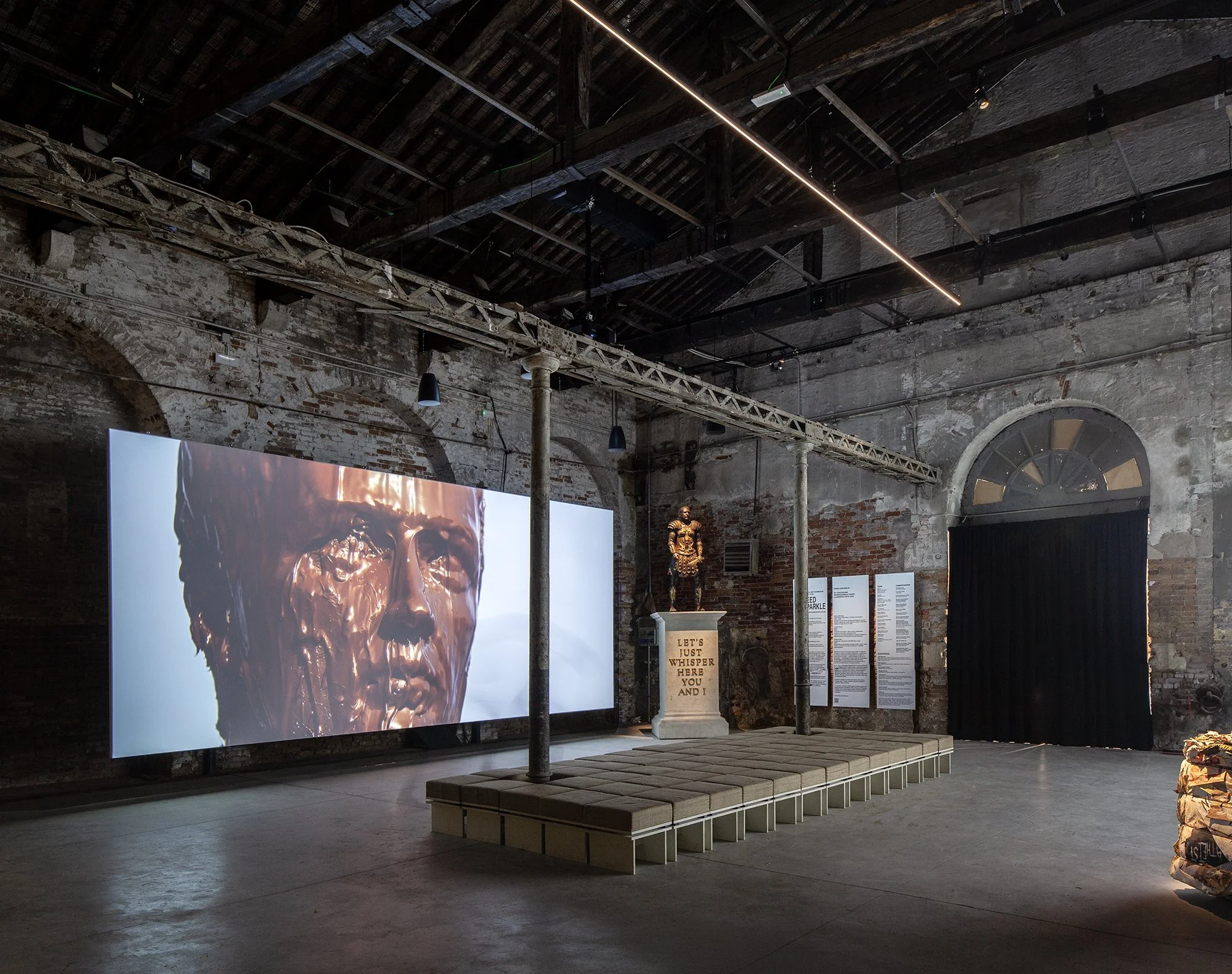
Single‑channel 4K video, colour, sound, sculptural installation (chocolate and mixed materials).
Incorporated chocolate sculpture originally created by Tiziano Cassar for the Ħamrun Chocolate Festival
Duration: 22:56
Adaptability (video‑only version available)
Photo by Julian Vassallo
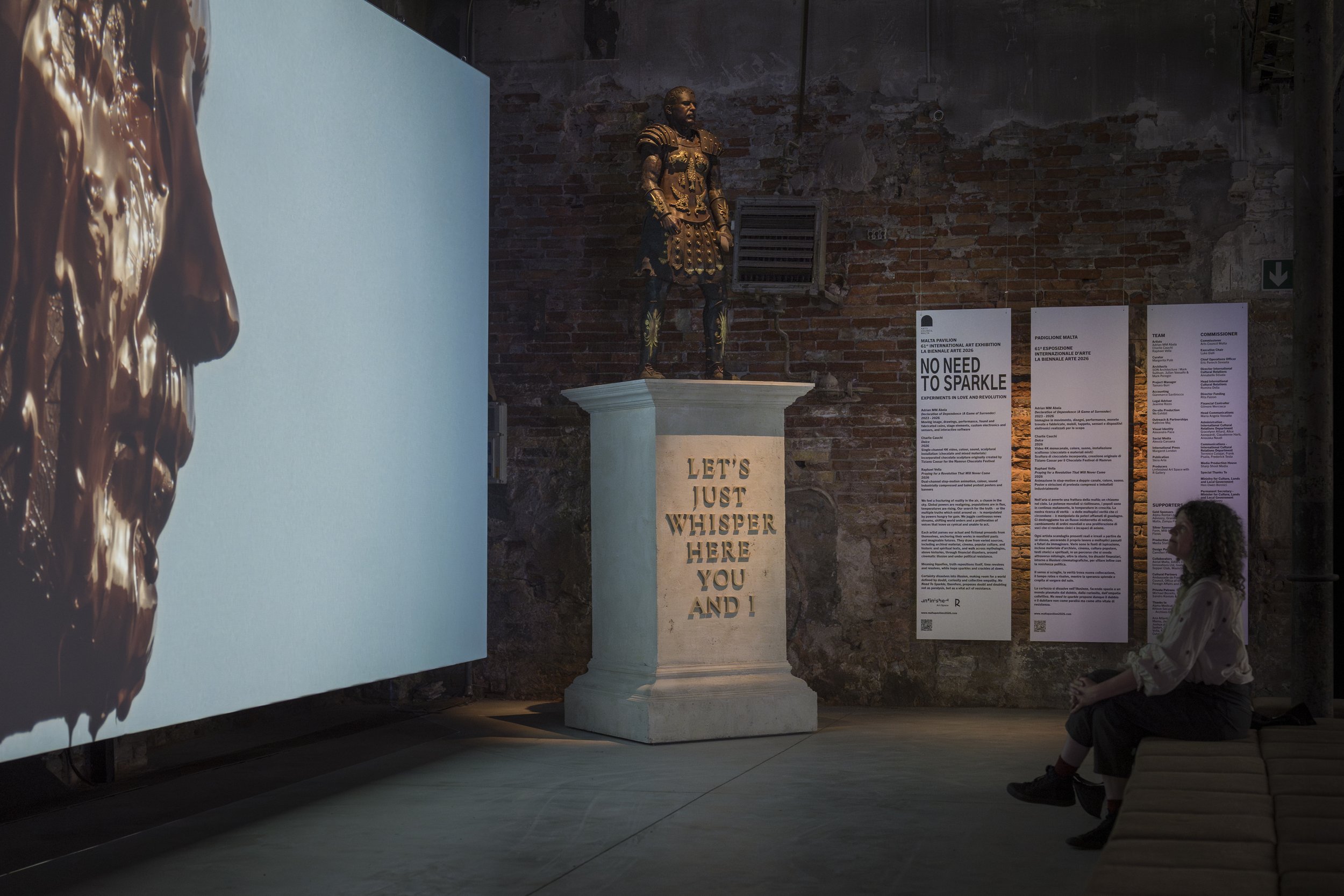
Photo by Samuele Cherubini
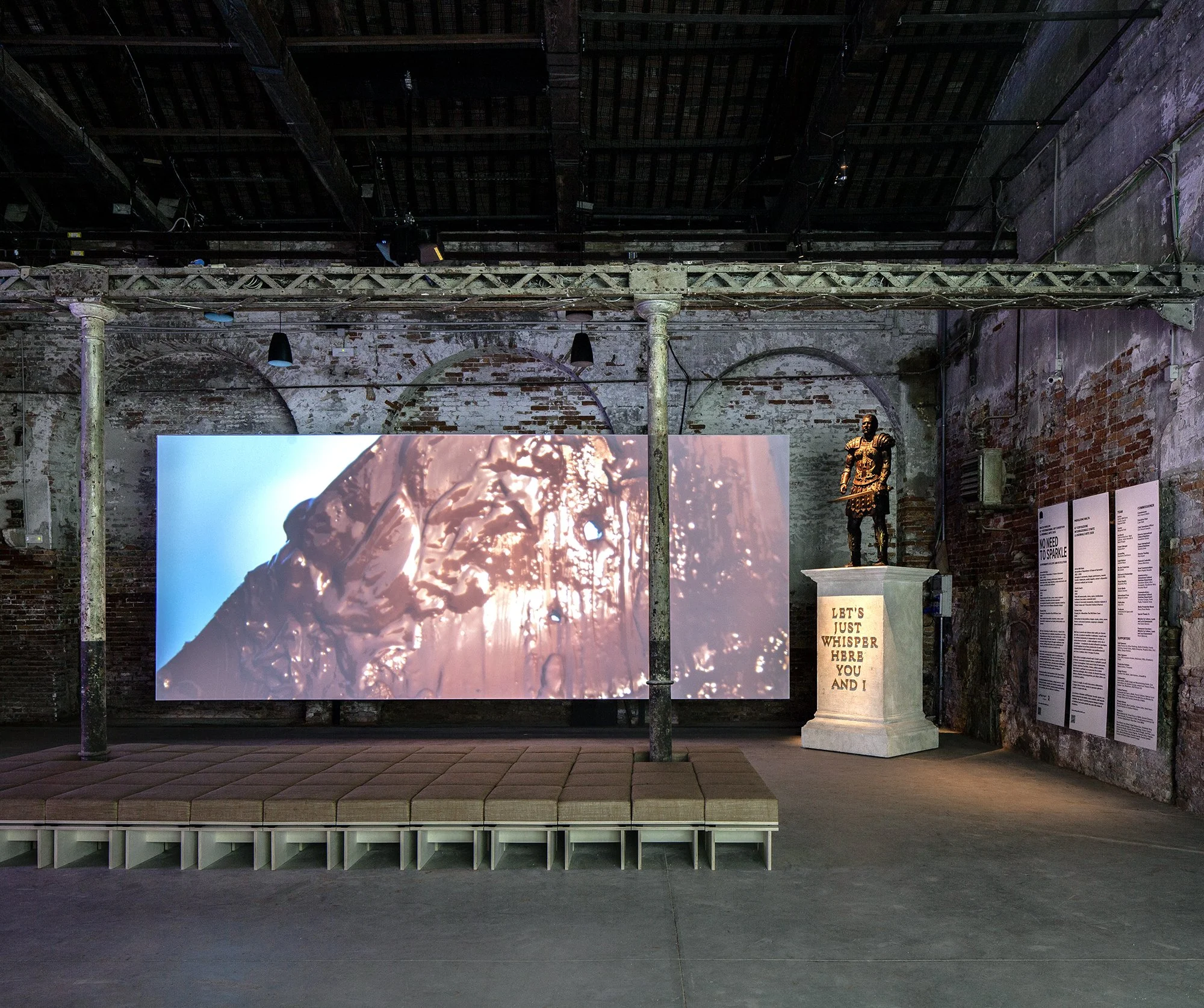
Photo by Julian Vassallo
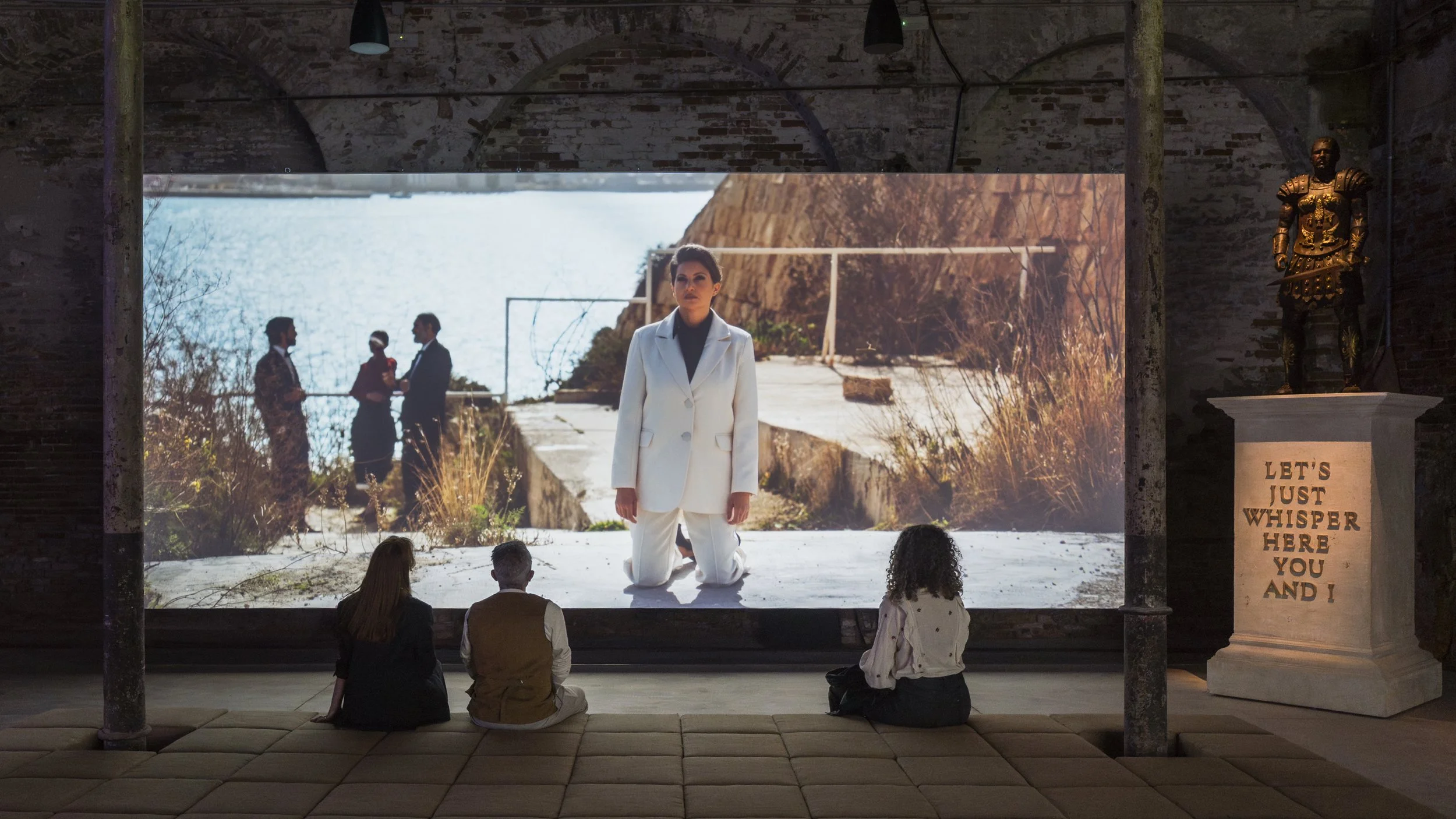
Photo by Samuele Cherubini
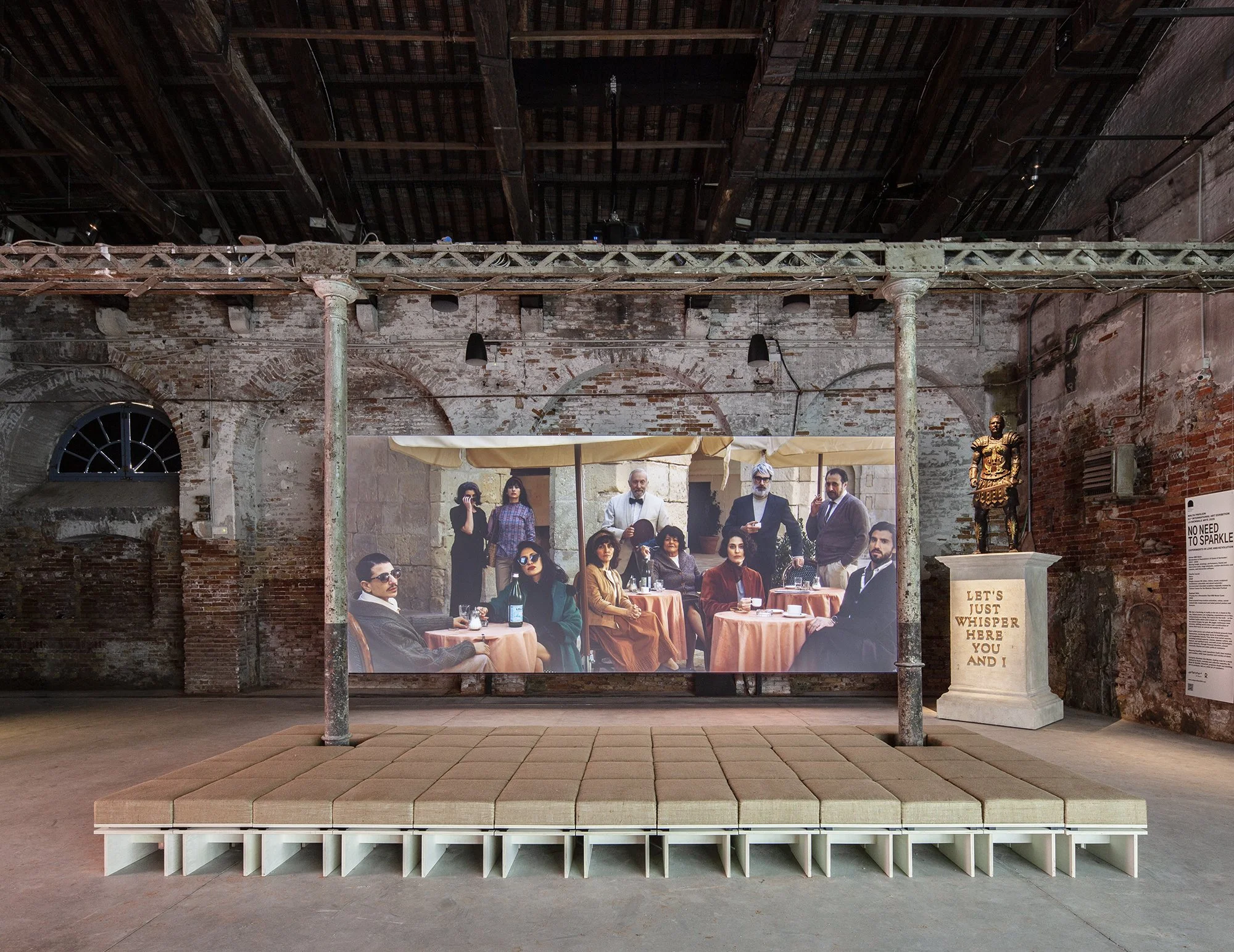
Photo by Julian Vassallo
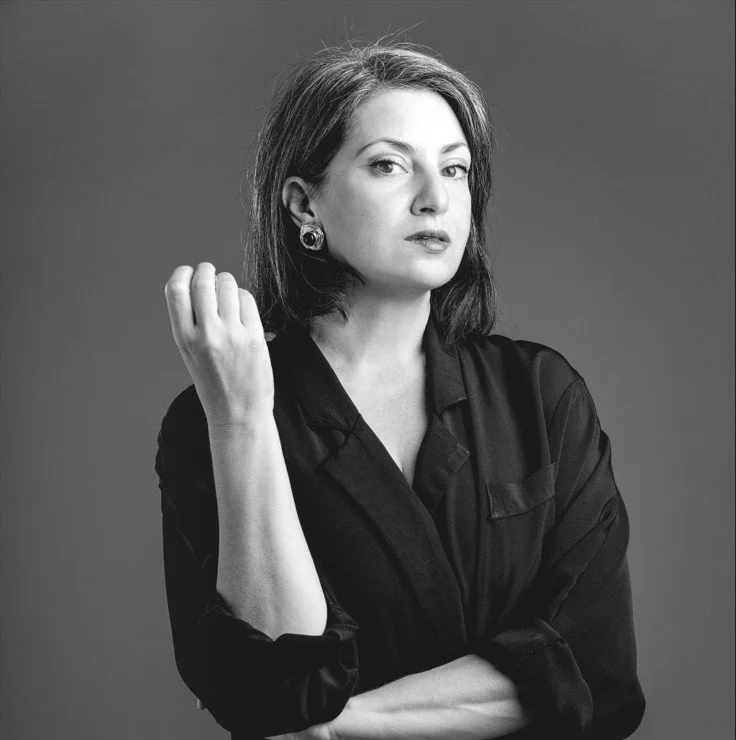
Photo by Alexandra Pace
Meet the artist
Charlie Cauchi is an interdisciplinary artist and filmmaker. She holds a BA and an MA in Film Studies from Queen Mary University of London. Her academic contributions focus on small national cinemas, with a particular emphasis on Malta. Her written work includes Titles to Talkies: An Incomplete History of Film Culture & Industry in Malta (2025, Fondazjoni Patrimonju Malti).
Her practice is highly personal, taking a biographical approach. A common preoccupation in her work is runway productions, often using films shot on location in Malta to untangle identity and representation.
She often uses her work to understand and heal fractured familial relationships and to explore identity themes, including gender identity, cultural heritage, and diasporic narratives.
Charlie is currently producing/directing a feature-length documentary, Stratum, which revolves around the groundbreaking archaeological discoveries of Prof. Eleanor Scerri and Prof. Nicholas Vella that are reshaping Malta’s prehistoric timeline. She is also co-founder of Rosa Kwir, Malta’s first dedicated LGBTQI+ gallery and archive, with artist Romeo Roxman Gatt and Sarah Chircop.
She is the first female artist ever chosen to represent Malta at La Biennale di Venezia, as part of a group show No Need to Sparkle: Experiments in Love and Revolution, commissioned by Arts Council Malta.